Three Cheers for Pumpkin Beer
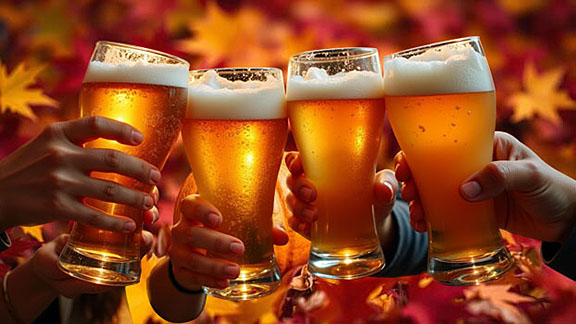
October is upon us and everything from your latte to your front porch features pumpkins! If your beer choices are not included in that mix, well, they should be. Did you know that the origin of pumpkin beer began several hundred years before the pumpkin-spice craze? Yes, it’s true!
Pumpkin beer and fermented alcoholic beverages date all the way back to Colonial America (1565-1783). Pumpkins are native to North America and when barley was limited, settlers turned to pumpkins because of their high fermentable sugar content. One of America’s first folk songs, written in 1643 heralds the importance of pumpkins in this way:
“Instead of pottage and puddings and custards and pies,
Our pumpkins and parsnips are common supplies;
We have pumpkins at morning and pumpkins at noon,
If it was not for pumpkins we should be undone!
If barley be wanting to make into malt,
We must be contented, and think it no fault;
For we make liquor to sweeten our lips,
Of pumpkins and parsnips and walnut-tree chips.”¹
Additionally, one of the earliest recorded recipes was written in 1771, for “Pompion Ale” and submitted anonymously to the American Philosophical Society:
“Let the Pompion be beaten in a Trough as Apples. The expressed Juice is to be boiled in a Copper a considerable Time and carefully skimmed that there may be no Remains of the fibrous Part of the Pulp. After that Intention is answered let the Liquor be hopped cooled fermented and as Malt Beer.”²
As the colonies were settled into established towns and sustainable crops became more plentiful as the years wore on, wheat, barley, and rye became the more utilized ingredients with which to brew beer. Pumpkins continued to be used well into the 1800s, but became far less common and eventually kind of died out until the 1980s, when craft beer started to take shape in the US.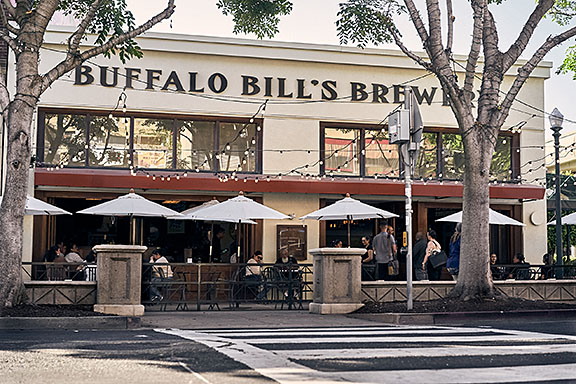
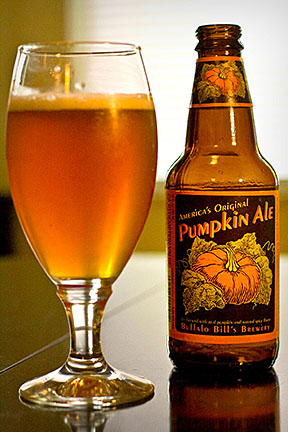
Not only is Buffalo Bill’s Brewery, located in Hayward, CA, the first modern-style brewpub that opened in the US in 1983, they also brewed the first modern pumpkin craft beer in 1986, and they’re still brewing it to this day. Aptly titled America’s Original Pumpkin Ale, its brewed with real organic pumpkins, cinnamon, clove, and nutmeg, and has a golden amber color with a sweet aroma of pumpkin pie – and rumor has it that the beer is inspired by a recipe of George Washington’s!
In 2026, it seems that pumpkin beers are a dime a dozen. In order to help narrow down your potential choices, below are a few brews that have survived the cut.
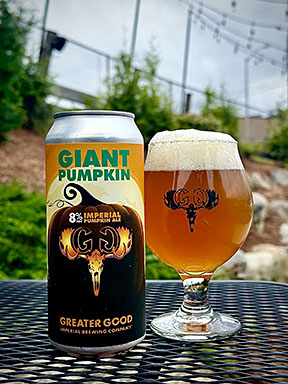 Giant Pumpkin by Greater Good Imperial Brewing Company – Worcester, MA – 8% ABV. The pumpkin flavor and spices of cinnamon and clove are actually quite mild, which makes this one of the most palatable pumpkin beers I have ever had the pleasure of tasting. It’s extremely light and crisp with the very slightest of sweetness throughout, therefore making it quite crushable. Found this on tap at 3 Bastards Brewing in Vernon, NY.
Post Road Pumpkin Ale by Brooklyn Brewery – Brooklyn, NY – 5% ABV. This is a thoroughly enjoyable pumpkin brew! A light bodied beer, the flavor of pumpkin does not disappoint – real pumpkins are utilized to create the beer along with nutmeg as a main spice. It’s extremely balanced and the flavors – especially the spice content – is not at all overpowering. It has a warm biscuit-like malt undertone, while being quite crisp on the finish. It’s a perfect beer for a sunny autumn tailgate!
 Jack-o Pumpkin Ale by Samuel Adams Brewery – Boston, MA – 4.4% ABV. This is where a pumpkin beer meets an amber ale. This medium-bodied beer has all the maltiness and caramel-forward flavors of a traditional amber ale, but there’s an additional hint of pumpkin with complimentary spices of cinnamon and nutmeg. It remains easy-drinking with a clean, crisp finish. A lovely autumnal beer to add into your rotation this season.
This autumn, as we begin to traverse a cooler, more relaxed season, add a pumpkin beer into your selection of beverages – not only does it truly honor a very American tradition and early colonial way of life, but pumpkin beers are just so incredibly varied and quite tasty in the craft beer age of today!
Cheers!
References:
¹https://americanlit215.weebly.com/colonial-song-lyrics.html
²https://www.amphilsoc.org/blog/pompion-ale-useful-knowledge