The Philosophy of Chinese Cooking

Chinese cuisine is deeply rooted in the ancient philosophy of yin and yang, a concept that emphasizes the balance of opposing yet complementary forces. This principle is not only a cornerstone of Chinese culture but also a guiding force in their culinary traditions.
 The Yin and Yang Philosophy
The concept of yin and yang dates back to ancient China, symbolizing the dual forces that govern the universe. Represented by the iconic symbol of two fish swimming head to tail, yin and yang literally translate to the “dark side” and “sunny side” of a hill, respectively. These forces are not oppositional but rather complementary, working together to create harmony. The Chinese believe that imbalances between these forces can lead to natural disasters like earthquakes, floods, and fires.
In Chinese cuisine, the philosophy of yin and yang is applied to achieve harmony in food and the body. An imbalance in these forces is thought to make the body susceptible to disease. Chinese chefs meticulously balance colors, flavors, and textures in their dishes, using fresh, seasonal ingredients like live seafood, fresh meat, and vegetables. Unlike many Western diets, Chinese cuisine rarely includes large amounts of dairy products, opting instead for soymilk and tofu, which are rich in protein and calcium.
Chinese culinary tradition is known for its minimal waste. Nearly every part of an animal is utilized in cooking, based on the belief that consuming specific parts of an animal can strengthen the corresponding parts of the human body.

Yin and Yang Properties in Food
Certain foods and cooking methods are classified as either yin or yang. For example:
Yin Cooking Methods: Steaming, poaching, and boiling.
Yang Cooking Methods: Stir-frying, pan-frying, and roasting.
Balance is achieved by incorporating both yin and yang methods in meal preparation. Ingredients can be cooked separately or together to maintain this equilibrium.
Regional Cuisines
China’s vast landscape is home to diverse culinary traditions, each with its own unique characteristics. The major regional cuisines include: Beijing, Hunan, Shanghai, Szechwan, and Cantonese.
Among these, Szechwan and Cantonese cuisines are the most well-known globally. Despite regional differences, the principle of yin and yang is a common thread that runs through all Chinese culinary practices.
The Importance of Balance
Few foods are purely yin or yang; most have a dominant characteristic with a hint of the other. The essence of Chinese cooking lies not in individual ingredients but in the balance and contrast between them. This balance is believed to bring harmony and well-being, extending beyond the individual to family and relationships.
Interesting Statistics
Global Popularity: Chinese food is one of the most popular cuisines worldwide, with over 45,000 Chinese restaurants in the United States alone.
Health Benefits: A study published in the Journal of Ethnic Foods found that traditional Chinese diets are associated with lower risks of chronic diseases like heart disease and diabetes.
Conclusion
Chinese cuisine is more than just a collection of recipes; it is a manifestation of a profound philosophy that seeks to balance opposing forces to achieve harmony. This balance is not only beneficial for health but also fosters a sense of unity and closeness in relationships. The artful harmony and balance in Chinese cooking make it a beloved cuisine worldwide, offering both culinary delight and well-being.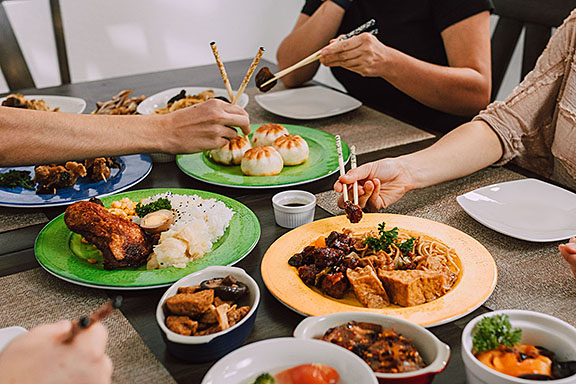
by articlebiz