How to Choose Wine by Country or Region:
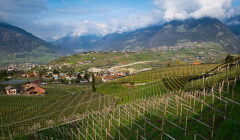
If you need a bottle fast and don’t want to overthink it, here’s a friendly, data-informed way to pick by country or region, match your food, set the right temperature, and buy enough for everyone.
What should you buy right now?
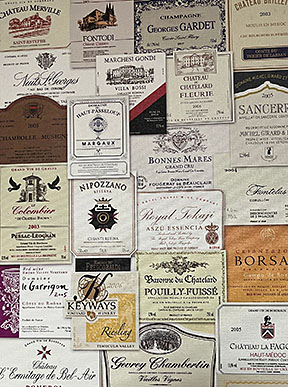
You will get predictable results by matching regions to simple flavor goals, budgeting mid-range, and serving at the right temperature. For a mixed dinner, one crisp white from a cool region and one smooth red from a warmer region cover almost any table; add a dry sparkling if it’s a celebration. Think New Zealand Sauvignon Blanc or Portuguese Vinho Verde for the citrus-fresh white, Spanish Rioja Crianza or Chilean Pinot Noir for the soft red, and Italian Prosecco or Spanish Cava for the bubbles.
What style fits your menu and crowd size?
The food and the number of guests decide style and volume more than anything else. Zesty whites from cooler places elevate salads, seafood, and light pastas; mid-weight reds from temperate places cuddle up to roast chicken, mushrooms, and grilled vegetables; fuller, smoother reds from sunnier places stand up to steaks and stews. For quantity, plan around 125–150 ml per small glass, 5 glasses per 750 ml bottle, and adjust by duration.
How many bottles should you actually buy?
Assume 2.5–3 glasses per person for a two-hour dinner, 3–4 for a three-hour party, and scale linearly. A group that likes beer or cocktails will shift wine down by roughly one glass per guest; a wine-centric crowd shifts up by one. When in doubt for 6–20 people, round up one extra bottle of each style to prevent a mid-meal run. As a shorthand: multiply guests by 3–4 glasses depending on duration, divide by 5 to get bottles, and round up.
Does country or region actually matter for beginners?
It matters because region is a proxy for climate, and climate predicts taste. Cooler regions trend toward higher acidity, lighter body, and greener or citrus flavors; warmer regions trend toward lower acidity, fuller body, and riper, darker fruit. Once you pin a climate vibe, you can scan supermarket labels for the region name and get very close to the flavor you expect.
Which countries are “cool” vs “warm” for your purposes?
Roughly speaking for supermarket shopping, New Zealand, coastal Chile, northern France, northern Italy, Portugal’s Atlantic coast, Germany, and Austria behave cool to moderate for whites; Spain’s Rioja and Ribera del Duero, southern France (Languedoc-Roussillon, Rhône), central and southern Italy, California interior valleys, and much of Australia behave moderate to warm for reds. Within each country, coastlines and altitude swing style cooler; plains and hotter latitudes swing warmer.
You don’t need to memorize grapes if you map regions to repeatable flavors. For bright, crisp whites that rarely taste heavy, look to Marlborough in New Zealand for Sauvignon Blanc with lime and passionfruit snap; Vinho Verde in Portugal for lemony, lightly spritzy blends; Muscadet Sèvre-et-Maine in France for saline, bone-dry refreshment; Alto Adige in Italy for clean, pear-scented Pinot Grigio; and dry Riesling from Germany’s Rheingau for steely citrus that handles spice.
For friendly, fruit-forward reds with manageable tannins, steer toward Rioja Crianza in Spain for soft cherry and gentle spice; Chile’s Casablanca or Itata for silky Pinot Noir; Beaujolais-Villages in France for juicy, low-tannin Gamay; Apulia/Salento in Italy for round, plush Primitivo; and South Africa’s Western Cape for supple Cinsault/Grenache-led blends.
For sparkling and rosé that please a crowd, Prosecco DOC in Italy brings frothy pear and easy charm; Cava in Spain adds brioche complexity with crispness for fried foods and toasts; Crémant de Loire in France is a flexible dinner-table all-rounder; Provence rosé is bone-dry with herbal strawberry notes; Navarra rosado is a slightly fuller, cherry-spiced take that suits grilled vegetables and tapas.
Serving temperature and glassware by style and country touchpoints
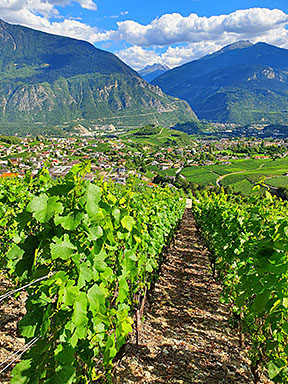 Temperature moves flavor more than most people expect. Too cold mutes aroma and emphasizes bitterness; too warm flattens freshness and spikes alcohol. Use a fridge for about 90 minutes for whites and rosé, 30 minutes for lighter reds, 15 minutes for fuller reds, and a bucket with ice and water to maintain sparkling at service. Dry sparkling such as Cava, Crémant, or Prosecco shines at roughly 6–8 °C in a flute or tulip; crisp whites like Sauvignon Blanc, Riesling, and Vinho Verde show best near 7–10 °C in a medium tulip; rounder whites are happier at 10–12 °C; light reds such as Beaujolais or Chilean Pinot Noir feel bright at 12–14 °C; mid-to-full reds like Rioja Crianza or Primitivo calm down at 15–18 °C.
Food pairing logic by region – what grows together fits together
Regional food and regional wine co-evolved. Northern coastal Portugal makes bright whites that cut salted cod and shellfish; Rioja’s gentle tannins match lamb and paprika; Provence rosé slots into herb-driven Mediterranean plates. Use salt, fat, acid, and sweetness as dials: salt softens tannin, fat loves acidity, acid craves acid, and heat appreciates a touch of sweetness.
Which wine handles spice, smoke, or umami best?
For chili heat and fragrant spice, pivot to aromatic whites from cool regions such as dry Riesling from Germany or off-dry versions from the Mosel, and Sauvignon Blanc from New Zealand or Chile’s coast. For smoke and char, look toward mid-weight reds with fresh fruit and moderate tannins such as Beaujolais-Villages or Chilean Pinot Noir. For deep umami, Rioja Crianza or South African blends that include Cinsault carry enough fruit and spice without overwhelming the dish.
Under the hood: why regions taste the way they do
A short technical dive explains why picking by region works so reliably for beginners. First, average growing-season temperature and diurnal shift set acid and ripeness; maritime zones and high altitude fake “coolness” even at lower latitudes. Second, traditional winemaking practices cluster by place: Muscadet’s long lees aging builds texture without weight, Rioja Crianza’s defined oak time softens tannins, and Prosecco’s tank method preserves primary fruit. Third, soil water-holding differences make aromas diverge even within the same grape; granite in Beaujolais keeps Gamay snappy while clay in Salento makes Primitivo plush. Fourth, harvest decisions respond to regional markets; areas with long histories of seafood cuisine favor bracing acidity and low alcohol, and regions tied to grilled meats normalize riper, spicier styles.
What glassware and opening prep actually matter?
A single all-purpose white glass and an all-purpose red glass cover 95% of dinners. For bubbles, a tulip beats a narrow flute because it holds aroma; a clean water carafe and a corkscrew with a lever are the tools that prevent delays. Decanting pays off mainly for fuller reds with noticeable oak or youth; fifteen minutes in a broad jug is enough to soften edges on Rioja Crianza or Primitivo.
by plr articles