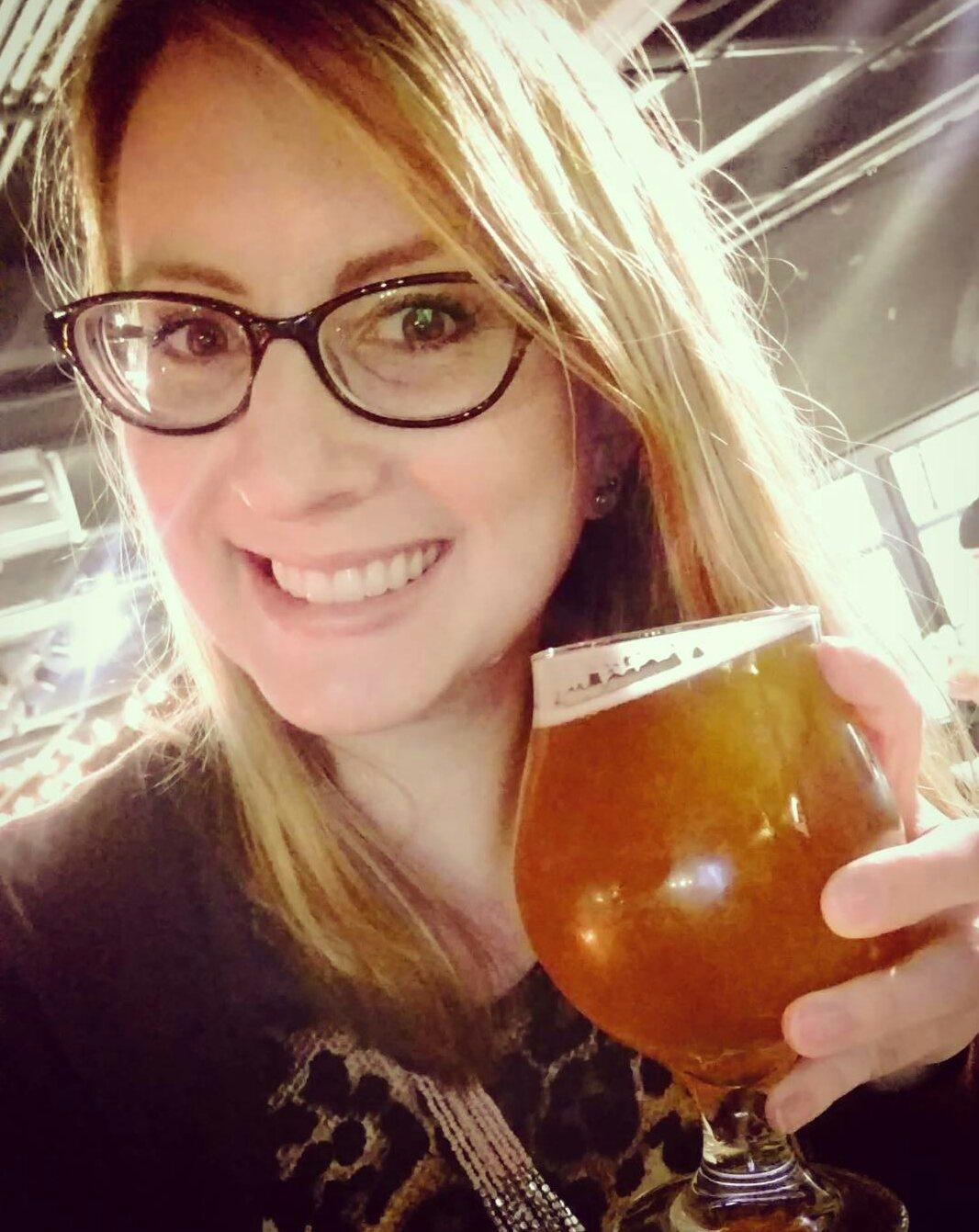
Thanksgiving Cheers

The start of the holiday season is upon us with the first big celebration being Thanksgiving. We all know the story of the first Thanksgiving with Native Americans (Wampanoag tribe) and English settlers (Pilgrims) coming together to break bread and share in the harvest. A tale that we should all seek to emulate in today’s very divided America; each of us raising a glass around the table this year to give thanks for everything that we do have. What might’ve the folks around the first Thanksgiving table been drinking? Read onwards for a look back into our native and colonial history.
Native Americans were brewing “beer” well before Europeans ever stepped foot onto North American soil. Typically, beer was brewed utilizing maize, birch sap, and water. In other areas around North America, different base ingredients were used. The Creek tribe in modern day Georgia and the Cherokee located in the Carolinas made alcoholic beverages using berries and fruits. Up in the northwest, the Kwakiutl tribe used elderberries, black chitons, and tobacco. Down in the southwest, several tribes used the saguaro cactus to create a version of wine, while the Coahuiltecan tribe, in what is modern day Texas, brewed with mountain laurel and agave sap. Archeologists have also discovered brewing remnants in the Pueblos of Chaco Canyon in New Mexico, containing evidence of fermented kernels of corn.
Many of these native tribes created alcoholic beverages strictly for ceremonies and they were weak in alcohol content. When “European-style” alcohol was increasingly introduced to native communities, it was damaging to many. Native Americans were not used to the intensity of ABV in beer and other alcoholic beverages made available to them. They were also unaware of how addictive alcohol could be. In this “New World,” trading, treaties, and political transactions were all at the mercy of being alcohol-fueled, and there are several documented instances where colonists knowingly took full-advantage of the Native Americans to sway negotiations in their own favor. This is certainly not what the Pilgrims envisioned during their first Thanksgiving with the Native Americans; however, it is one of the many tarnished legacies that European settlers left in their wake of colonization.
Pilgrims, just like all the ships and their crews bound for the Americas, relied on beer and other fermented beverages purely for survival purposes. Water did not keep on long voyages and sea water was certainly out of the question for consumption. Typical rations were approximately 1-gallon per person, per day. The beer was known as “small beer” due to its low ABV of 1-3%, so that everyone, including children, could consume it safely and without the consequences of drunkenness.
When the Pilgrims landed, they had to learn how to brew beer from the items that they brought with them combined with vegetation that was present in their new surroundings. This led to some creative concoctions; Spruce beer was created from pine needles and the new buds/growths of pine trees, and pumpkin beer was made, from, well, you guessed it, pumpkins! Additionally, they utilized the techniques of the Native Americans regarding maize to brew beer. With cultivation of apple trees and fruit, they eventually would go on to make hard cider.
As the colonies evolved and grew, so did brewing techniques and capacities, and they were able to create beers much like they had in England and the rest of Europe. Ales were the preferred type of beer to brew because the temperature could be more easily maintained during the brewing process. When women made their debut into the Americas and planted roots, they ultimately became the main brewers in their small communities. Again, it was not just about alcohol and drinking to relax, beer was quite literally a mode of survival in the colonies because they were not aware of how to sterilize water for safe consumption during that period in history. For instance, widespread experimentation in water filtration in the United States did not occur until 1880-1900.
While we are relaxing with family and friends this Thanksgiving, don’t be remiss to give thanks for the beer that our immigrant ancestors drank, as it is crucial to our being here today! May we also be mindful to raise a glass to our Native American brothers and sisters, who not only assisted many of the colonists in their survival in the New World, but who additionally gave up their lives, lands, and livelihoods for us to be where we are today.
Cheers!
Sources: www.wikipedia.com